When the House No Longer Fits the Plan
Downsizing Can Be About Simplifying More Than Square Footage
A home that worked well for raising a family or building a career may eventually require more time, money, and maintenance than you want to give it. Retirement can also change where you want to live, how much space you need, and what you want your monthly housing costs to look like.
We Buy Ontario Houses works with Ontario homeowners who want to sell before downsizing, moving closer to family, relocating to a condo, or choosing a home that is easier to maintain.
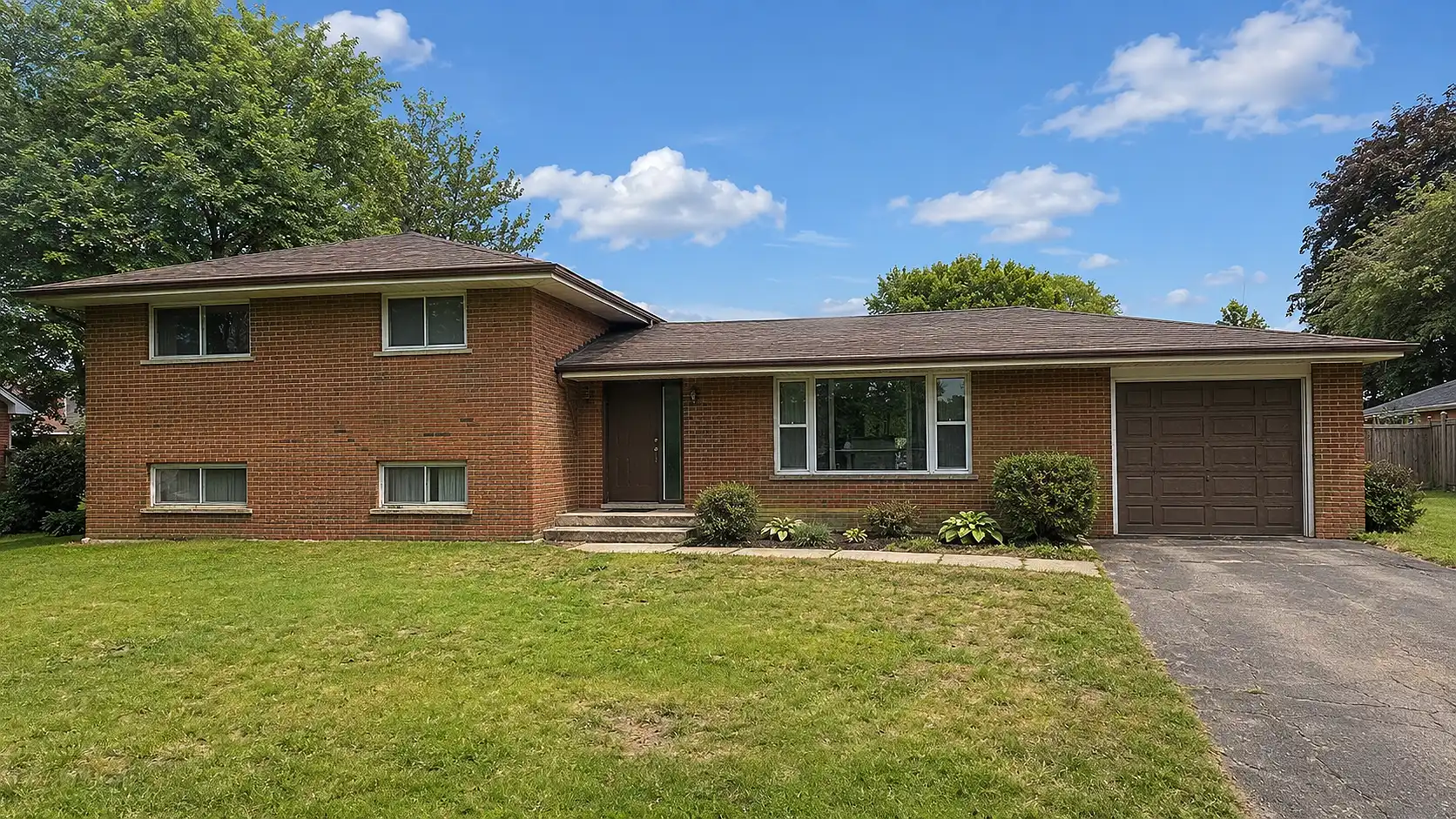
We buy houses in their current condition, including properties with older interiors, accumulated belongings, unfinished updates, and repairs that you would rather leave for the next owner.
Call 905-667-6512 or request a cash offer online to see what a direct sale could look like before deciding how you want to move.

Right-Size the Property
Ask What You Still Need From the House
Downsizing becomes easier to evaluate when the decision starts with how you actually use the property today rather than how you used it ten or twenty years ago.
Extra bedrooms, a large yard, stairs, multiple living areas, storage rooms, and older exterior features can all require time and money even when they are rarely used.
A smaller house, condominium, apartment, retirement community, or home closer to family may reduce some of those responsibilities. The right choice depends on your lifestyle, finances, mobility, location preferences, and long-term plans.
Selling does not need to be rushed simply because retirement is approaching. The goal is to understand whether the current property still supports the life you want to maintain.
Common Reasons the Move Starts Making Sense
Why Ontario Homeowners Downsize
The decision often develops gradually as the work and expense connected to the property stop providing the same value they once did.
The House Is Larger Than You Need
Unused bedrooms, extra living areas, and storage space can become expenses rather than benefits once the household becomes smaller.
Housing Costs Feel Too High for Retirement
Property taxes, insurance, utilities, repairs, and maintenance can consume income that you would rather use elsewhere during retirement.
Years of Belongings Have Accumulated
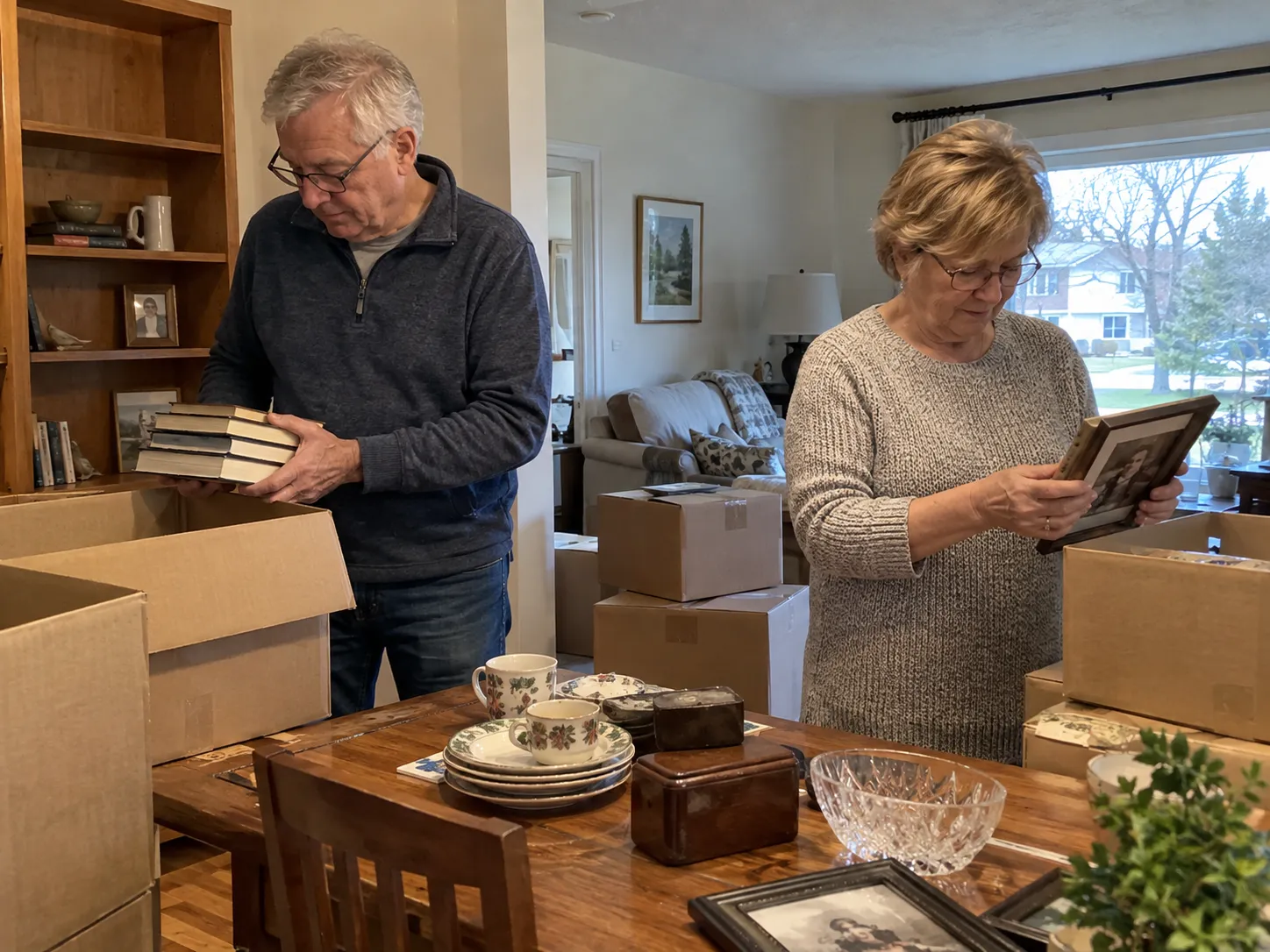
A long-time home can contain furniture, tools, keepsakes, paperwork, and household items that make preparing for a conventional listing feel like a major project.
You Want to Live Somewhere Else
Retirement may create the opportunity to move closer to family, relocate to another Ontario community, travel more, or choose a property with fewer maintenance demands.
You Do Not Have to Empty the House in a Weekend
Separate What Matters Before Worrying About the Rest
Downsizing after many years in one home can be more difficult emotionally than physically. Start with documents, photographs, valuables, family items, and anything you already know should move with you.
Furniture and ordinary household contents can be sorted afterward. If there are items you would prefer not to move, explain that when requesting an offer.
The condition of the house and any remaining contents can be considered as part of a direct property sale.
Reduce the Preparation Work
Sell My House Fast When Downsizing Without a Full Cleanout
A traditional listing may involve removing excess furniture, clearing storage spaces, repainting rooms, completing repairs, improving landscaping, staging the home, and keeping it ready for repeated showings.
Those steps may be reasonable when maximizing retail exposure is the main goal. They may feel less worthwhile when your priority is simplifying the move and avoiding another large project before retirement.
We Buy Ontario Houses evaluates houses as they currently sit. You can find out what a direct buyer would offer before deciding whether renovations, junk removal, staging, and additional market preparation are worth completing.
Important personal property should still be removed before closing, while other unwanted contents should be discussed before the agreement is finalized.
Think in Monthly Costs
What Would a Smaller Home Actually Change?
Downsizing is most useful when the new living arrangement better matches your financial and practical goals. Compare more than the sale price of the current house.
Consider the expected mortgage or rent, condominium fees, utilities, property taxes, insurance, maintenance, transportation, accessibility, and moving expenses connected to the next home.
A smaller property is not automatically less expensive in every situation. Looking at the complete monthly cost can help determine whether the move accomplishes what you want it to.
Maintenance Can Change With Age and Priorities
Sell Before the Next Major Home Project Becomes Necessary
Long-time homeowners often know which expenses are coming next. The roof may be aging, the furnace may be nearing replacement, exterior work may be overdue, or several smaller maintenance projects may have accumulated.
You can complete those improvements before listing, but retirement may be the point when investing more money and time into the current house no longer feels worthwhile.
A direct offer allows the expected repairs to be considered in the property’s current condition. You can compare that number with the potential value of completing the work and marketing the house to retail buyers.
There is no need to renovate first simply to understand the cash home buyer option.
Consider Everyday Use
A House Can Become Less Convenient Before It Becomes Unaffordable
Stairs, large yards, snow removal, exterior maintenance, unused rooms, and long distances from family or services can all affect whether a property still works well.
The reason to downsize does not need to be financial hardship.
For many homeowners, having less property to manage is itself the goal.
Plan the Move in the Order That Works for You
A Simple Downsizing Home Sale Process
You do not need every detail of retirement figured out before finding out what the current house could sell for.
Step 01
Request the Property Offer
Tell us about the house, its condition, major repairs, remaining belongings, occupancy, and the approximate timing you are considering.
Step 02
Compare the Numbers
Review the direct offer alongside the expected net proceeds, preparation work, commissions, repairs, carrying costs, and timeline of a traditional sale.
Step 03
Coordinate the Move and Closing
If you decide to sell, choose a practical closing schedule and remove the belongings you plan to keep before the legal transfer is completed.
When Listing May Make More Sense
A Market-Ready House May Benefit From Wider Exposure
A traditional listing may be appropriate when the house is already in strong condition, you have time to prepare it, and obtaining the greatest possible exposure to retail buyers is the priority.
Consider the time involved in photography, showings, inspections, negotiations, appraisal, buyer financing, and any repair requests that arise before closing.
Compare expected net proceeds rather than comparing only a listing price with a cash offer.
When Simplicity Has More Value
Cash Home Buyers Can Reduce the Work Before Downsizing
A direct sale may fit better when the house needs updates, contains years of belongings, or you simply do not want retirement to begin with contractors and open houses.
The offer reflects the current condition of the property and the work the buyer expects to complete afterward.
That tradeoff can make sense when a simpler sale is more important than preparing the property for the full retail market.
Retirement and Downsizing Across Ontario
Cash Home Buyers Serving Ontario Homeowners Ready for a Smaller Property
Your downsizing plan may involve staying nearby, moving to another part of Ontario, or leaving the province entirely.
We evaluate each property individually based on its location, condition, repairs, and the type of sale you are considering.
Homeowners considering retirement or downsizing can contact us about properties in Oshawa, Sudbury, and Barrie. Each priority market has a dedicated page with more information about selling directly in that community.
We also buy houses in Toronto, Mississauga, Hamilton, Guelph, Brantford, and London.
Our Ontario service area also includes Kitchener, Waterloo, Cambridge, St. Catharines, Welland, and Niagara Falls.
Visit our Ontario areas served page for more information about where We Buy Ontario Houses currently purchases properties.
Retirement May Come With Another Change
Your Reason for Moving Does Not Have to Fit One Category
Some homeowners retire and relocate at the same time. Others downsize after an income change, the loss of a spouse, or simply because a large property no longer fits their plans.
If your move will take you to another community, review our information about selling before relocation.
If reduced household income is part of the decision, our job loss or income change page explains additional considerations.
Take the Pressure Out of the Decision
You Can Request an Offer Before You Commit to Moving
Knowing what a direct buyer would pay can make the rest of the downsizing decision easier to evaluate. It gives you a specific number to compare with the estimated cost and timeline of listing traditionally.
You can also use that information while evaluating a smaller property, rental, condominium, retirement community, or move closer to family.
There is no obligation to sell simply because you request an offer. Review the property terms, expected proceeds, next housing costs, and moving plan before deciding whether the timing is right.
The goal is to make the current home one part of the retirement plan rather than letting it dictate the entire plan.
Make the Next Home Fit the Next Chapter
Talk With We Buy Ontario Houses About Selling Before Retirement or Downsizing
If you are ready for a smaller home or simply want less property to maintain, We Buy Ontario Houses can evaluate your Ontario house in its current condition and provide a direct cash offer.
There is no need to renovate, empty every room, or commit to a sale before finding out what the direct-buying option looks like.